



INP-WealthPk

LSM rebounds 6pc in Jul–Nov FY2026, hits highest level since FY2016
January 28, 2026
Farooq Awan
Pakistan’s large-scale manufacturing (LSM) sector recorded a strong recovery in the first half of FY2026, posting a growth of 6.0 percent during Jul–Nov and reaching its highest Quantum Index of Manufacturing (QIM) level since FY2016, according to the Monthly Economic Update and Outlook issued by the Finance Division.
The rebound marks a clear turnaround from the contraction observed in the corresponding period of last fiscal year and signals improving growth prospects for the industrial sector. Official data show that the recovery in LSM has been broad-based, with 16 industrial groups registering positive growth during the period under review, reflecting improving demand conditions and a more stable macroeconomic environment.
Among the major contributors to LSM growth were automobiles, wearing apparel, non-metallic mineral products, food and beverages, coke and petroleum products, electrical equipment, and tobacco. The diversified sectoral performance indicates that the recovery is not limited to a single segment but spans both consumer-oriented and intermediate industries.
The automobile sector emerged as one of the strongest performers. During Jul–Dec FY2026, car production increased by 56.1 percent, while the output of trucks and buses surged by 89.4 percent. Production of jeeps and pick-ups also rose by 36.9 percent during the same period. The improved performance of the auto sector contributed significantly to overall LSM growth, reflecting higher production activity across assembly plants.
Coke and petroleum products also played a key role in driving industrial output, supported by increased domestic demand. Wearing apparel recorded solid growth, contributing meaningfully to the recovery in manufacturing activity during the period.
Monthly indicators further underscored the strength of the rebound. In November 2025, LSM grew by 10.4 percent on a year-on-year basis and by 0.2 percent on a month-on-month basis, suggesting that the recovery momentum was sustained into the second quarter of FY2026. The QIM index during Jul–Nov FY2026 reached its highest level since FY2016, highlighting the scale of the industrial turnaround.
The cement industry also showed notable improvement during the first half of the fiscal year. Cumulative cement dispatches reached 25.8 million tonnes in Jul–Dec FY2026, representing an increase of 9.7 percent compared to the same period last year. Domestic cement dispatches rose by 13.1 percent to 21.1 million tonnes, reflecting improved local demand, while exports declined by 3.7 percent to 4.6 million tonnes.
The Finance Division noted that the recovery in LSM reflects improving economic activity and stronger performance of domestic-oriented sectors. The sustained growth momentum in manufacturing is expected to support overall economic growth during the remaining months of FY2026, particularly if current trends in demand and production are maintained.
According to the report, the rebound in large-scale manufacturing, combined with easing inflation and improving liquidity conditions, points to a more supportive environment for industrial activity. The Finance Division said the improved performance of LSM signals stronger growth prospects for the remainder of the fiscal year and underscores the role of industry as a key driver of economic recovery.
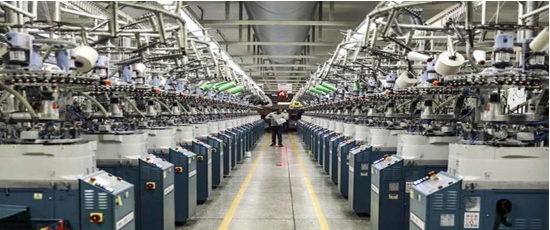
Credit: INP-WealthPk