



INP-WealthPk
Low fish consumption reflects deeper supply and distribution gaps in Pakistan
April 20, 2026
By Ayesha Saba
Pakistan’s per capita fish consumption remains among the lowest in the world at around 2 kilograms annually, significantly below the global average of 20.5 kilograms, reflecting deeper structural gaps in supply, distribution, and dietary patterns.
According to the “Blue Economy under URAAN Pakistan 2026” report prepared by the Planning Commission, fish consumption in Pakistan has increased only marginally over the past two decades, rising from approximately 1 kilogram per capita in the early 2000s to about 2 kilograms in recent years.
The report highlights that despite having a 1,001-kilometre coastline and extensive inland water resources, Pakistan has not been able to integrate fish effectively into its domestic food system. Cultural dietary preferences, combined with limited availability and affordability, have contributed to persistently low consumption levels.
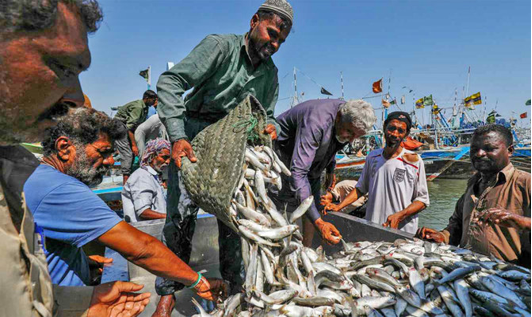
Supply chain inefficiencies also play a significant role. The report notes that inadequate cold storage, poor transportation infrastructure, and weak market linkages restrict the distribution of fish from coastal and production areas to inland markets. As a result, access to fresh and affordable fish remains limited for large segments of the population.
In addition, the quality of fish reaching domestic markets is often compromised due to poor handling practices and a lack of proper preservation systems. This affects consumer confidence and reduces demand, further limiting consumption growth.
The report also points out that a significant portion of higher-quality fish is directed toward export markets, leaving domestic consumers with lower-grade products. This imbalance reinforces the perception of fish as a less desirable protein source compared to alternatives such as poultry and meat.
From a nutritional perspective, low fish consumption represents a missed opportunity. Fish is a key source of protein and essential nutrients, and increasing its consumption could contribute to improved food security and greater dietary diversity.
The document emphasises that improving domestic consumption will require strengthening supply chains, investing in cold storage and transportation infrastructure, and promoting awareness of the nutritional benefits of fish.
It also highlights the need to develop inland aquaculture to ensure a stable and affordable supply of fish for domestic markets, thereby reducing dependence on marine capture fisheries.
The report concludes that addressing supply-side constraints and improving market access will be critical for increasing fish consumption and integrating the fisheries sector more effectively into Pakistan’s broader food system.
Credit: INP-WealthPk