



INP-WealthPk
Logistics sector urges urgent action to ease port congestion
January 05, 2026
Ahmed Khan Malik
The logistics and supply chain sector has renewed its call for urgent remedial measures to address persistent congestion at the country’s major ports, warning that prolonged delays are disrupting trade flows, escalating operational costs, and undermining Pakistan’s competitiveness in regional and global markets.
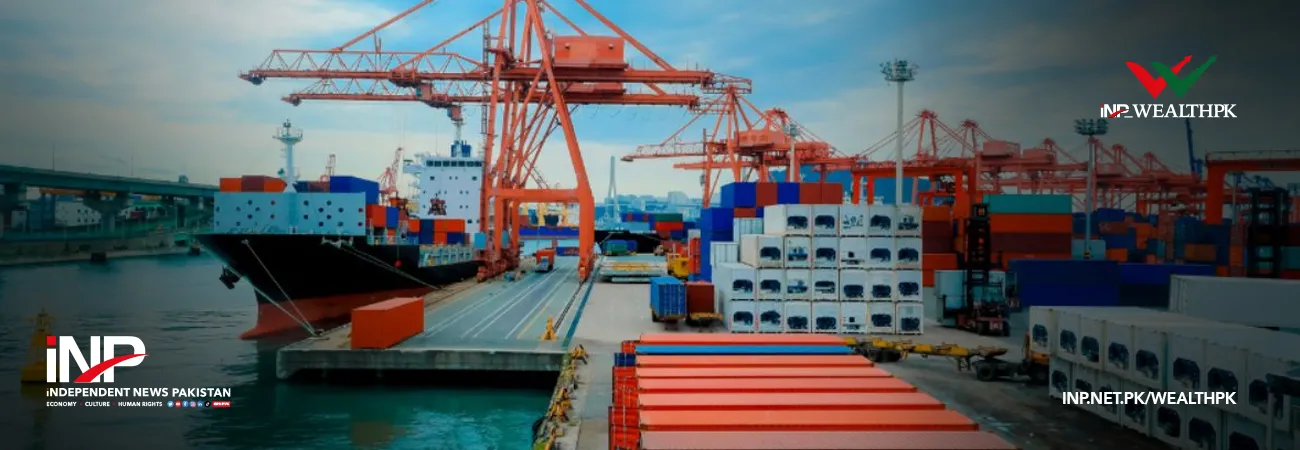
Industry stakeholders said congestion at key ports has reached critical levels, with prolonged vessel waiting times, slow cargo clearance, and weak coordination among port authorities and allied agencies severely affecting the movement of goods. The situation, they warned, is placing immense pressure on importers, exporters, and logistics service providers alike.
According to industry representatives, the congestion is driven by a combination of factors, including rising cargo volumes, limited port infrastructure, outdated handling equipment, and procedural inefficiencies. Seasonal surges in trade and adverse weather conditions have further compounded the problem, resulting in delays that ripple across the entire supply chain.
“The logistics sector is bearing the brunt of port inefficiencies,” said Haider Rafiq, Vice Chairman of the Fleet Operators Association of Pakistan, while talking to Wealth Pakistan. “When vessels remain anchored for extended periods and containers remain stuck at terminals, the additional costs are eventually passed on to businesses and consumers. This weakens our competitiveness against regional trading hubs.”
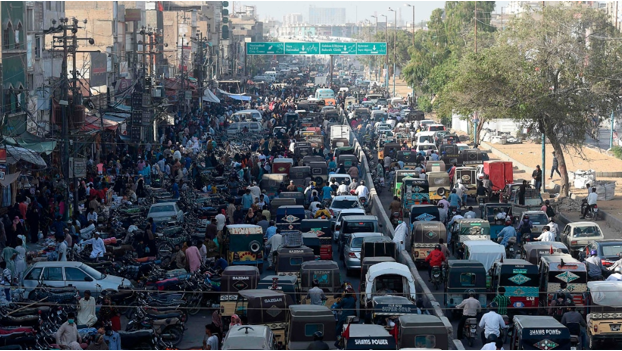
He pointed out that congestion has also had a severe impact on inland logistics operations. Trucks often spend long hours waiting for entry into port terminals, increasing fuel consumption and operational costs. The absence of adequate parking and staging facilities near ports has further worsened traffic congestion in surrounding urban areas.
Industrialists have also voiced concern over missed shipping schedules and the deterioration of time-sensitive cargo. “Even short delays can translate into financial losses and damage buyer confidence,” said Javed Bilwani, Patron-in-Chief of the Pakistan Apparel Forum. He added that importers are facing mounting demurrage and detention charges as containers remain uncleared for extended periods.
The logistics sector has called on authorities to adopt a comprehensive and coordinated approach to address the issue. Key recommendations include accelerating port modernisation projects, expanding terminal capacity, and deploying advanced digital systems to streamline cargo handling and documentation. Industry leaders called for greater automation and real-time data sharing among shipping lines, terminal operators, customs authorities, and transporters to significantly reduce turnaround times.
Stakeholders have also stressed the need for stronger coordination between federal and provincial agencies to ensure smoother movement of goods beyond port premises. Enhancing rail connectivity and developing inland waterways were cited as viable options to shift a portion of cargo away from congested roads. Additionally, the establishment of off-dock container yards and logistics parks near ports has been proposed to ease pressure on terminal infrastructure.
Industry representatives warned that if congestion issues persist, they could erode Pakistan’s trade competitiveness and discourage foreign investment at a time when global supply chains remain under strain.
Credit: INP-WealthPk