



INP-WealthPk

Infant mortality falls to 47 per 1,000 as maternal and child health indicators improve nationwide
January 05, 2026
Moaaz Manzoor
Pakistan has recorded significant improvements in maternal and child health outcomes, with key indicators showing steady progress across the country, according to the latest findings of the Household Integrated Economic Survey (HIES) 2024–25.
The survey shows that the infant mortality rate declined to 47 deaths per 1,000 live births, down from 60 per 1,000 recorded in the previous survey cycle. This decline reflects improved access to healthcare services for mothers and newborns and marks a notable advancement in early childhood survival indicators.
Similarly, the neonatal mortality rate, which measures deaths within the first 28 days of life, fell from 41 to 35 per 1,000 live births, indicating better prenatal care, safer delivery practices, and improved postnatal support. The reduction in early-life mortality highlights progress in healthcare delivery during the most vulnerable stages of infancy.
Maternal health indicators also showed clear improvement during the period under review. The proportion of births attended by skilled health personnel increased from 71 percent to 84 percent, reflecting expanded access to trained medical staff during childbirth. Punjab recorded the highest level of skilled birth attendance at 88 percent, while Balochistan reported the lowest at 58 percent, pointing to persistent regional disparities in healthcare access.
The survey further revealed gains in maternal care before childbirth. Pre-natal care coverage increased from 84 percent to 88 percent, indicating wider utilization of health services during pregnancy. Increased antenatal care plays a critical role in early detection of complications and improved maternal outcomes.
Child immunisation coverage also improved over the survey period. The proportion of fully immunised children rose from 68 percent to 73 percent, suggesting enhanced reach of vaccination programs and stronger public health outreach. Expanded immunisation coverage has helped to lower child morbidity and mortality and improve long-term health outcomes.
The HIES findings reflect broader improvements in healthcare access, infrastructure, and service delivery across the country. The data suggest that greater availability of health facilities, improved outreach, and increased awareness have contributed to better maternal and child health outcomes.
Conducted as Pakistan’s first fully digital household survey, the HIES 2024–25 covered approximately 32,000 households nationwide and provides a comprehensive assessment of social and health indicators. The survey serves as a key evidence base for monitoring progress in healthcare delivery and guiding future policy interventions aimed at improving maternal and child wellbeing across Pakistan.
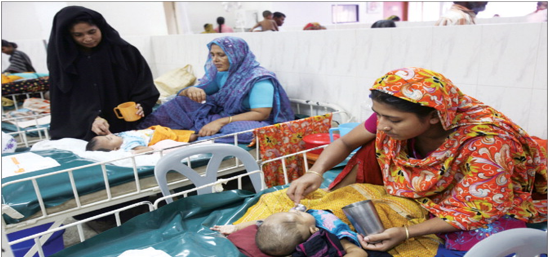
Credit: INP-WealthPk