


INP-WealthPk
Govt advances water security, climate resilience and export promotion under URAAN program
February 10, 2026
Ayesha Saba
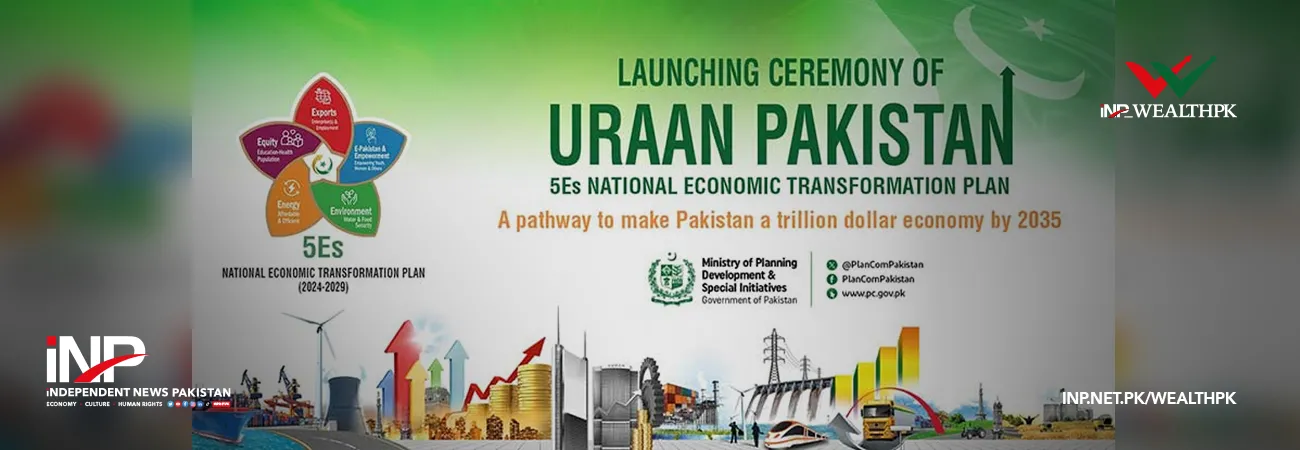
The government has intensified efforts to strengthen long-term development planning through initiatives focused on water security, climate resilience and export promotion, aligning sectoral reforms with the broader objectives of the URAAN Pakistan framework.
According to the Monthly Development Update (February 2026) issued by the Economic Policy Wing of the Ministry of Planning, Development and Special Initiatives, multiple policy and consultative measures were undertaken in January to address structural challenges related to water management, disaster preparedness and trade competitiveness.
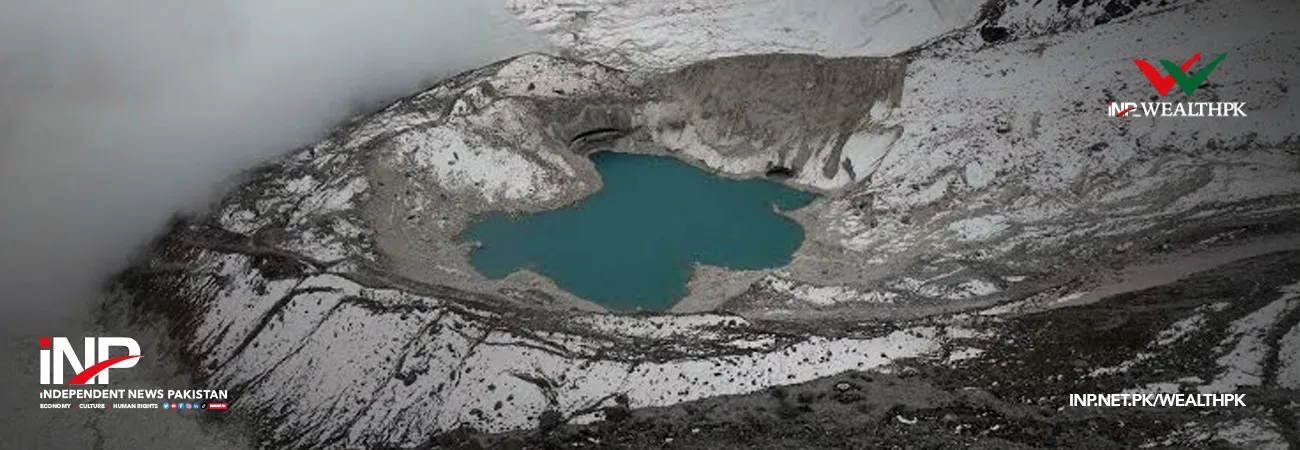
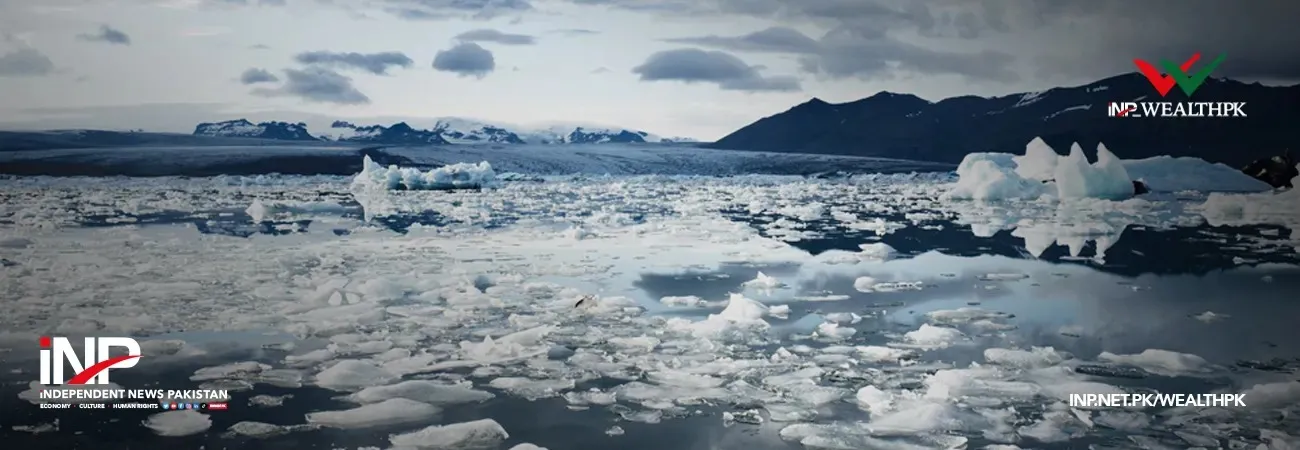
Water conservation and security have emerged as key priorities under the government’s 5Es framework. In this regard, the first meeting of the Task Force on National Water Security was held to assess Pakistan’s growing water challenges, including glacier melt and climate change impacts. The forum reviewed risks associated with declining water availability and emphasized the need for coordinated and evidence-based planning.
To translate policy goals into actionable measures, it was agreed to establish a dedicated working group under the Ministry of Water Resources. The group will develop practical recommendations for submission to the Planning Commission and organize technical workshops aimed at designing implementable projects to strengthen national water management systems.
Parallel efforts are underway to improve climate resilience and disaster risk management. A consultative workshop held on January 13 highlighted the importance of climate-resilient planning and enhanced financial and technical support mechanisms. Policy actions proposed under the Asian Development Bank’s Climate and Disaster Risk Resilience Enhancement Program were endorsed to strengthen preparedness against climate-related shocks.
The report notes that technical sessions and group discussions generated inputs to refine guidance frameworks, improve institutional alignment and facilitate more effective implementation of resilience-focused projects. These measures aim to reduce vulnerabilities and enhance the country’s capacity to respond to environmental risks.
In addition to environmental initiatives, export promotion received attention through product-specific roundtable consultations organized by the Planning Commission. Held between January 5 and 9, these sessions brought together exporters, manufacturers, industry associations and technical experts to identify constraints and opportunities across various value chains.
Each roundtable assessed inputs, production processes, value addition, compliance standards, logistics and market access. A structured survey was also conducted to broaden stakeholder participation and validate findings. The consultations are intended to support targeted interventions that strengthen export competitiveness and help achieve the Phase I export target of $63 billion by 2029.
International engagement formed another component of the development strategy. Pakistan participated in high-level forums on early childhood development and continued discussions with development partners to align projects with national priorities and mobilize technical cooperation.
The report indicates that these coordinated initiatives reflect a shift toward integrated and forward-looking planning. By combining environmental sustainability with economic competitiveness, the government aims to build resilience while supporting inclusive growth.
Through targeted actions in water conservation, climate adaptation, and export facilitation, authorities seek to address long-term structural challenges and create a more sustainable foundation for development.

Credit: INP-WealthPk