



INP-WealthPk
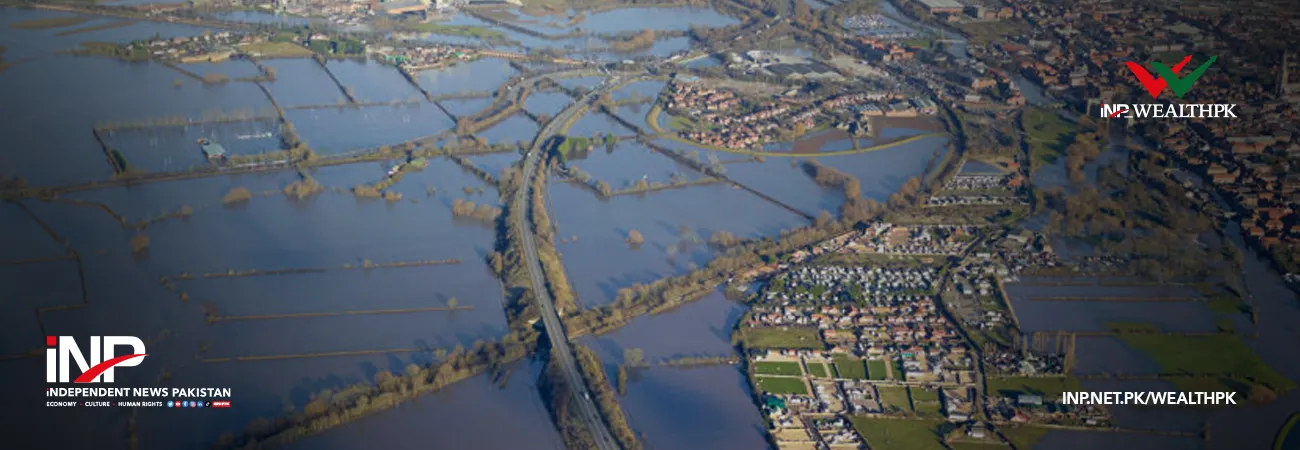
Climate ministry maps nature-based solutions for flood resilience: Wealth Pakistan
February 03, 2026
Muhammad Faisal Kaleem
The Ministry of Climate Change and Environmental Coordination (CC&EC) has compiled a study to identify site-specific Nature-based Solutions (NbS) and Ecosystem-based Adaptation (EbA) interventions for climate-resilient flood risk management in the Indus Basin, according to a document available with Wealth Pakistan.
In the compiled study, the ministry of CC&EC assessed climate vulnerability analysis, community needs assessment through stakeholder consultations, hydrological and hydrodynamic modelling for current and future flood scenarios and future climate projections (rainfall variability, extreme events).
During the course of study, two dedicated field missions were also carried out to engage with relevant stakeholders, conduct reconnaissance of the catchment, identify site-specific challenges and opportunities and propose adaptive solutions aligned with EbA criteria and procedures. Moreover, the study analyzed hydrology, irrigation practices, sediment flows and flood patterns, leading to the selection of priority intervention sites.
According to the study, the identified implementation sites are Dera Ismail Khan watershed (Khyber Pakhtunkhwa), Ramak watershed (Khyber Pakhtunkhwa), Chakkar Lehri sub-basin (Balochistan) and Manchar Lake (Sindh). The project will be implemented through provincial departments of irrigation, forestry and agriculture in collaboration with WWF-Pakistan.
These departments, overseen by their respective provincial irrigation ministers, will engage design and supervision consultants to revisit site coordinates, design the interventions for on-ground implementation, conduct additional stakeholder engagements, including local communities, and coordinate with provincial oversight committees, which are already notified for the Recharge Pakistan Project in three provinces.
The WWF-Pakistan remains proactively engaged in sharing information with relevant local government officials and other stakeholders, the study said. Meanwhile, an official at the ministry, who remained engaged while compiling the report, told Wealth Pakistan that the proposed NbS and EbA measures are expected to play a crucial role in reducing flood risks while enhancing ecosystem services across the selected sites.
“These interventions aim to restore natural water flows, improve groundwater recharge, reduce sedimentation, and strengthen the resilience of local communities against climate-induced disasters,” he said. Integrating NbS and EbA approaches into flood management strategies would not only help mitigate the impacts of extreme weather events but also support sustainable livelihoods, biodiversity conservation, and improved water governance, the official said.
The involvement of local communities at all stages of planning and implementation has been identified as a key factor for the long-term success of the project. Furthermore, the initiative aligns with Pakistan’s national climate adaptation priorities and international commitments under global climate frameworks. By adopting nature-based approaches, the government seeks to complement traditional grey infrastructure with cost-effective and environmentally sustainable solutions, the ministry of climate change official noted.
According to him, the study also emphasizes the importance of inter-provincial coordination and institutional capacity-building to ensure effective implementation and monitoring of the interventions. Regular progress reviews, knowledge sharing, and adaptive management practices will be adopted to address emerging challenges, he explained.
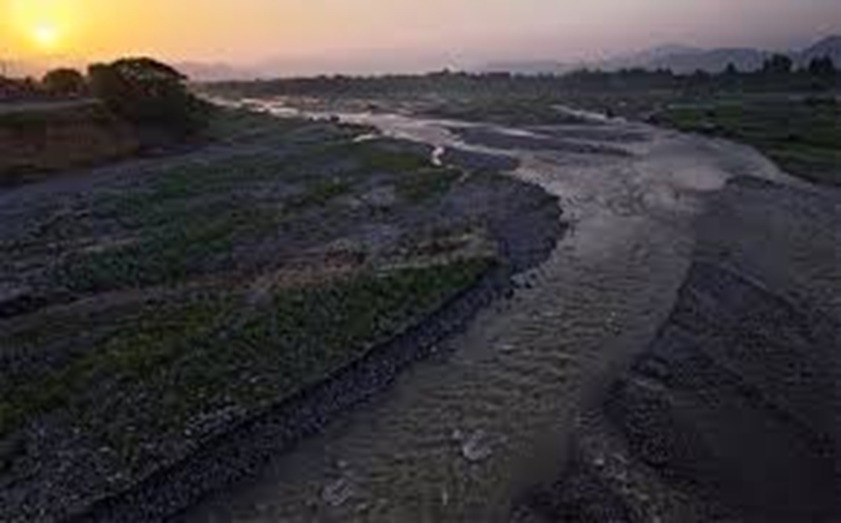
Credit: INP-WealthPk