



INP-WealthPk
Chinese firms eye $100m investment in Pakistan’s grain storage sector
January 26, 2026
Azeem Ahmed Khan
Chinese companies have shown strong interest in investing in Pakistan’s grain storage infrastructure through joint ventures, with a particular focus on establishing modern grain silos, said Muzzammil Rauf Chappal, founder and chairman of the Cereal Association of Pakistan.
Talking to Wealth Pakistan, he said that five memorandums of understanding worth $100 million have been signed with different Pakistani companies operating under the association’s umbrella. The agreements followed engagements with Chinese counterparts during the recently concluded Pakistan-China Agri Investment Conference held in Islamabad.
Expressing optimism, Chappal said the proposed investments could prove transformative for Pakistan’s grain storage and handling systems for key crops, including wheat, rice and maize, while also introducing much-needed reforms in the sector.
He said eight association members from Karachi and various cities of Punjab participated in the conference, where discussions focused on attracting Chinese investment into Pakistan’s agricultural infrastructure. According to him, Chinese firms showed particular interest in equity-based joint ventures, proposing ownership structures such as 50-50 or 30-70, combining Chinese technology with shared investment.
Describing the conference as a positive development, he said Chinese technology is expected to be introduced across multiple segments of the agricultural value chain, including grain storage and cold storage facilities. The event covered 10 agricultural sectors and, he added, is likely to boost trade, improve labour skills, encourage automation and benefit the broader agri-industry.
“Our primary focus was on grain silos, and we held dedicated meetings to attract Chinese investment in this area,” he said, adding that the proposed projects would be joint ventures, with ownership shared between Pakistani and Chinese partners, while the technology would be sourced from China.
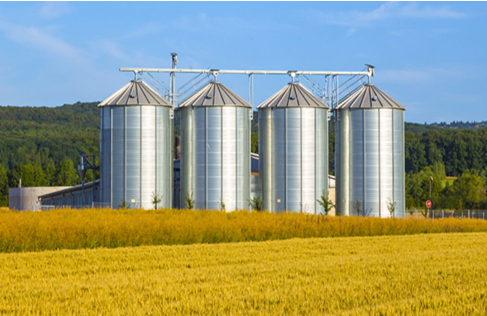
Highlighting the advantages of modern silos, Chappal said Pakistan has traditionally relied on bag-based storage systems, which are vulnerable to damage, pest infestation and high handling losses. In contrast, silos operate through automated and systematic processes, significantly reducing wastage, lowering handling costs and eliminating the need for manual labour and bagging.
He said that inadequate modern storage facilities often lead to shortages and post-harvest losses due to labour constraints and inefficient handling, whereas silos can help preserve substantial quantities of grain. “With silos, grain is transported and handled through dumpers, making the process more efficient and manageable,” he said, adding that automation would reduce operational stress and enable the sector to shift towards volume-based operations.
While noting that the cost of silos varies depending on capacity, Chappal stressed that the investment remains highly economical when weighed against persistent post-harvest losses. He also highlighted the space-efficient nature of silos, pointing out that vertical storage requires significantly less land than traditional horizontal storage or open dumping, which is both time-consuming and land-intensive.
Terming the conference a “very good government initiative,” he said he was hopeful that the engagements with Chinese firms would translate into concrete investment outcomes in the near future.
Credit: INP-WealthPk